Hip Replacement Lawsuit Lawyer in Brunswick, GA

Hip replacement surgery is intended to restore mobility and eliminate pain.
When the implant itself is defective — releasing metal debris, corroding at
the joint, loosening prematurely — the outcome is the opposite: pain returns,
mobility deteriorates, and revision surgery becomes necessary.

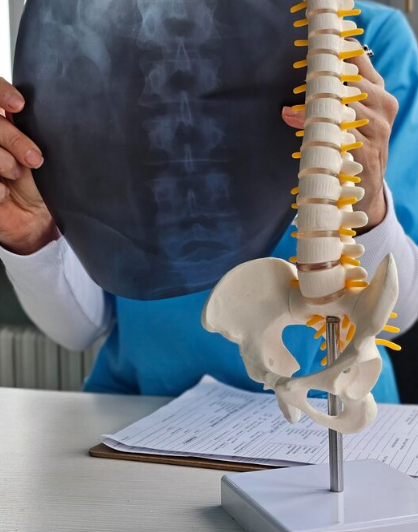
Manufacturers of defective hip implants have paid billions of dollars to resolve claims from injured patients. If you or someone in your family has experienced complications after hip replacement surgery, Boyd Law Firm will evaluate whether a defective implant is responsible and what compensation you may be entitled to pursue.

The Metal-on-Metal Problem

From the late 1990s through the early 2010s, orthopedic device manufacturers aggressively marketed metal-on-metal hip implants — systems where both the ball and socket components were made of metal alloys. These devices were promoted as more durable and longer-lasting than traditional ceramic or polyethylene designs.
The results told a different story. Metal-on-metal implants generate microscopic metal particles as the components move against each other during normal activity. These particles accumulate in surrounding tissue, enter the bloodstream, and cause a condition called metallosis — metal poisoning that destroys soft tissue, inflames joint structures, and can cause systemic effects throughout the body.
By 2013, the FDA had recorded hundreds of recalls across six manufacturers.
Today, no metal-on-metal hip replacement devices remain on the U.S. market with FDA approval.

Major Recalled Devices and Manufacturer Settlements

DePuy Orthopaedics (Johnson & Johnson) The DePuy ASR XL Acetabular System and ASR Hip Resurfacing System were recalled in August 2010 after data showed significantly higher-than-expected failure rates. DePuy ultimately paid over $2.5 billion to resolve approximately 8,000 claims in 2013, with additional settlements following. The DePuy Pinnacle metal-on-metal system generated separate litigation.

Stryker Orthopaedics The Stryker Rejuvenate and ABG II Modular Hip Systems were recalled in July 2012 due to corrosion and fretting at the modular neck-stem junction — a design that allowed metal debris to accumulate even in non-metal-on-metal configurations. Stryker settled approximately $1 billion in claims in 2014.

Zimmer Biomet Zimmer Biomet’s CPT Hip System 12/14 Neck Taper has been subject to litigation involving mechanical failure at the modular junction, with claims ongoing.

Symptoms of a Defective Hip Implant

Complications from a defective or failing hip implant can develop gradually or emerge suddenly. Symptoms that warrant immediate evaluation include:
  • Persistent or worsening hip pain after a period of initial recovery
  • Pain radiating into the groin, thigh, or knee that wasn’t present before
  • Swelling, warmth, or fluid accumulation around the hip
  • Difficulty walking or bearing weight that develops after initial recovery
  • Clicking, grinding, or squeaking from the implant
  • Implant instability or dislocation
  • Elevated metal levels in blood tests (cobalt or chromium)
  • Tissue damage or fluid collection visible on imaging
These symptoms may indicate metallosis, implant loosening, corrosion, or other failure modes requiring urgent orthopedic evaluation and potentially revision surgery

Do You Need an Official Recall to Pursue a Claim?

No. A recall strengthens a claim by establishing that the manufacturer identified a defect — but it is not a prerequisite. Under Georgia’s strict liability standard, the relevant questions are whether the device was defective and whether that defect caused your injury.
Many patients have successful claims involving devices that were not formally recalled but share design characteristics with recalled systems, or where the manufacturer’s own post-market surveillance data showed elevated failure rates they failed to disclose.

How These Claims Are Handled

Hip implant litigation is typically pursued as a mass tort — many individual plaintiffs with similar injuries against the same manufacturer, often coordinated in a federal multidistrict litigation (MDL) or state court proceedings. This coordination allows plaintiffs to share resources for discovery and expert witnesses while each maintaining their individual claim and damages.
Your case is still your case. In mass tort litigation, individual damages — your revision surgery costs, your lost wages, your pain and suffering — are determined for you specifically, not averaged across a group.
Boyd Law Firm evaluates claims and, where appropriate, connects clients to the established litigation infrastructure for the relevant device. We make sure your case is properly filed and that your individual losses are fully documented.

Frequently Asked Questions About Hip Replacement Lawsuits

Yes. A formal recall is evidence of a defect but is not required. If your device has failed prematurely, if you have elevated metal levels in your blood, or if imaging shows tissue damage consistent with metallosis, the device may be defective regardless of recall status.
Metallosis is a form of metal poisoning caused by microscopic metal particles released from metal-onmetal implants. It causes local tissue destruction, inflammation, and in severe cases systemic effects including neurological symptoms, cardiac issues, and organ damage. It typically requires revision surgery and ongoing medical monitoring.
Revision surgery removes the failed implant and replaces it with a new device. It is more complex than the original procedure, involves longer recovery, carries higher surgical risk, and often produces less complete results than the original replacement. Revision 3 surgery costs — and all associated medical care — are part of your recoverable damages
Two years from the date you discovered or reasonably should have discovered that your implant was defective — typically when complications became apparent or when a physician identified implant failure. The exact deadline analysis depends on your facts. Mass tort litigation also has coordinated filing deadlines. Contact us promptly
Medical expenses (including revision surgery and ongoing care), lost wages, loss of earning capacity, pain and suffering, and other damages caused by the defective implant. Manufacturers like DePuy and Stryker have paid billions in total settlements, but individual recoveries depend on the severity of injury and specific case facts.

Free Consultation
No Fee Unless We Win

If your hip replacement has failed or caused complications, don’t wait. Evidence of device failure and the manufacturer’s knowledge is documented — but filing deadlines apply. The consultation is free, there’s no obligation, and you pay nothing unless we win your case.

Enter Your Details Below
To Get A Free Case Evaluation