Slip and fall cases are often dismissed as minor. They aren’t. Falls on negligently maintained property cause traumatic brain injuries, spinal damage, broken bones, and long-term disability — and the costs follow the victim, not the property owner, unless legal action is taken.
Boyd Law Firm represents people injured in slip and fall accidents throughout Brunswick and Southeast Georgia. We document what the property owner knew, what they failed to do, and the full cost of what you’ve experienced.
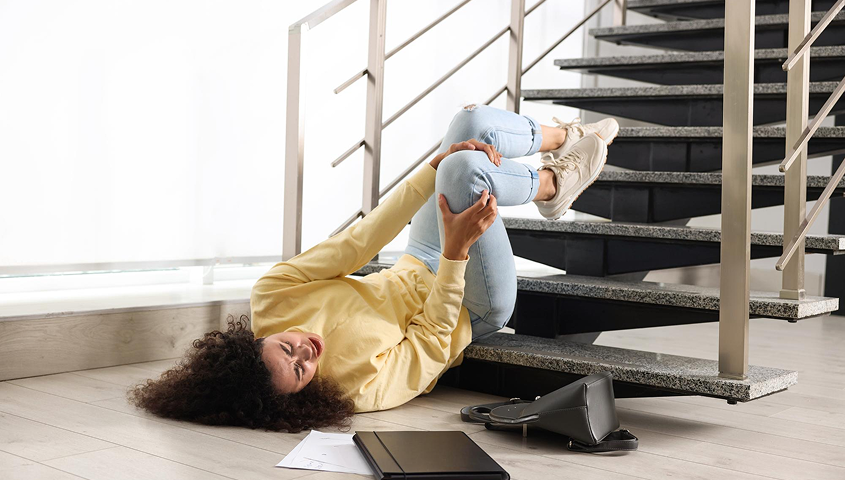
Under O.C.G.A. § 51-3-1, property owners and occupiers must exercise ordinary care to keep their premises and approaches safe for invitees — customers, shoppers, diners, and anyone else present for a business purpose.
That duty is not satisfied by simply posting a warning sign. It requires:
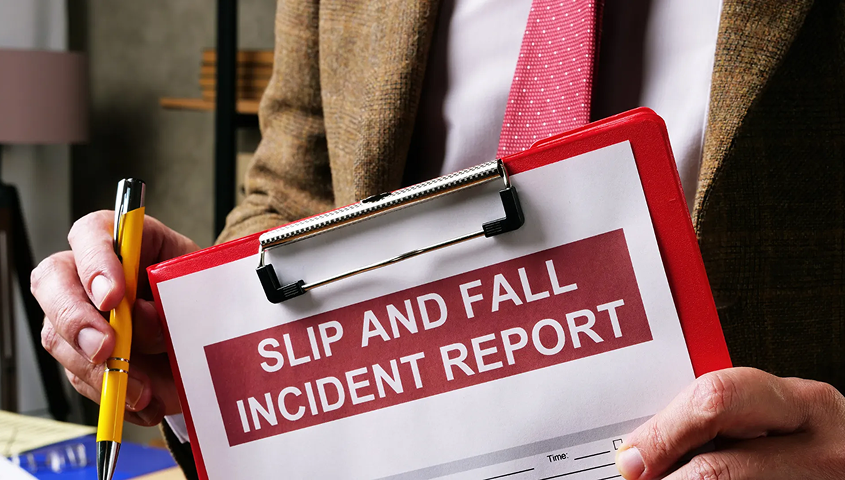
To prevail in a Georgia slip and fall case, four elements must be established:
1. Duty — the property owner owed you a duty of care as an invitee.
2. Breach — the owner failed to maintain safe conditions or warn of a known hazard.
3. Superior knowledge — the owner had actual or constructive knowledge of the hazard you did not.
4. Damages — you suffered real, documentable harm.
The superior knowledge requirement is where many claims turn. You must show the owner knew or should have known — through inspection records, prior incidents, employee complaints, or the duration the condition existed — while you had no reasonable way to discover or avoid the hazard.
We build this through incident reports, maintenance logs, security camera footage, prior complaint records, and employee testimony.
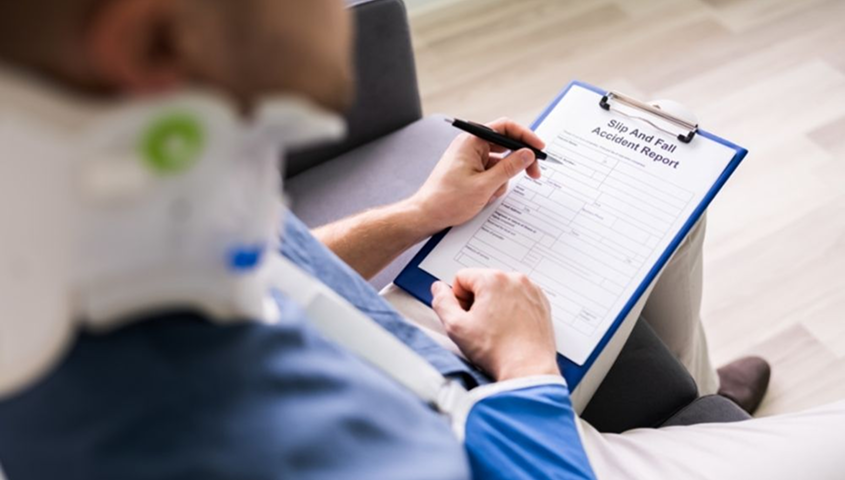
Wet and slippery floors Spills, tracked-in rain, freshly mopped surfaces, and beverage condensation create surfaces that look safe but aren’t. Grocery stores, restaurants, and retail stores generate these conditions constantly — and bear the responsibility to monitor and correct them.
Foreign substances on walking surfaces Food debris, product spills, grease near food service areas, and tracked-in substances pose hazards that aren’t always visible. Duration on the floor matters — a hazard present for hours is harder to excuse than one created minutes before the fall.
Uneven surfaces and transitions Buckled flooring, broken pavement, damaged thresholds between floor surfaces, cracked sidewalks, and uneven steps cause trips and falls that are entirely preventable.
Inadequate lighting Dim stairwells, dark parking lots, and poorly lit entrances hide hazards and reduce a visitor’s ability to see where they’re stepping
Weather-related conditions Wet or icy entryways during rain or cold weather require active maintenance — mats, drainage, deicing. A property owner who knows weather creates hazardous entry conditions and does nothing about them is liable when someone falls.
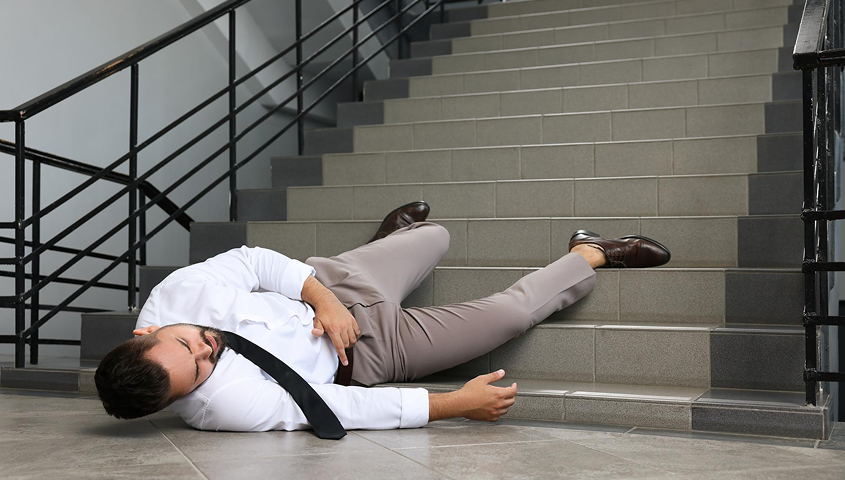
Falls on hard commercial surfaces produce serious injuries:
Georgia’s modified comparative negligence rule applies. If you bear some responsibility — for example, if you were looking at your phone — your recovery is reduced by your percentage of fault. You can still recover as long as your fault is less than 50%.
Property owners and their insurers routinely inflate the victim’s share of fault. Common arguments include: the hazard was obvious, you were distracted, you were wearing improper footwear. We document the circumstances and counter those assessments with evidence.
If your fall occurred on government-owned property — a city sidewalk, county building, public park, government office — shortened deadlines apply:
Not automatically. A sign must be placed in time, in a location where it actually warns of the specific hazard, and must be visible. A sign placed after a fall, or one that warns of a different area, does not satisfy the owner’s duty. The better question is whether the hazard should have been eliminated rather than simply signed.
Talk to us before you talk to the insurance company. The consultation is free, there’s no obligation, and you pay nothing unless we win your case.